



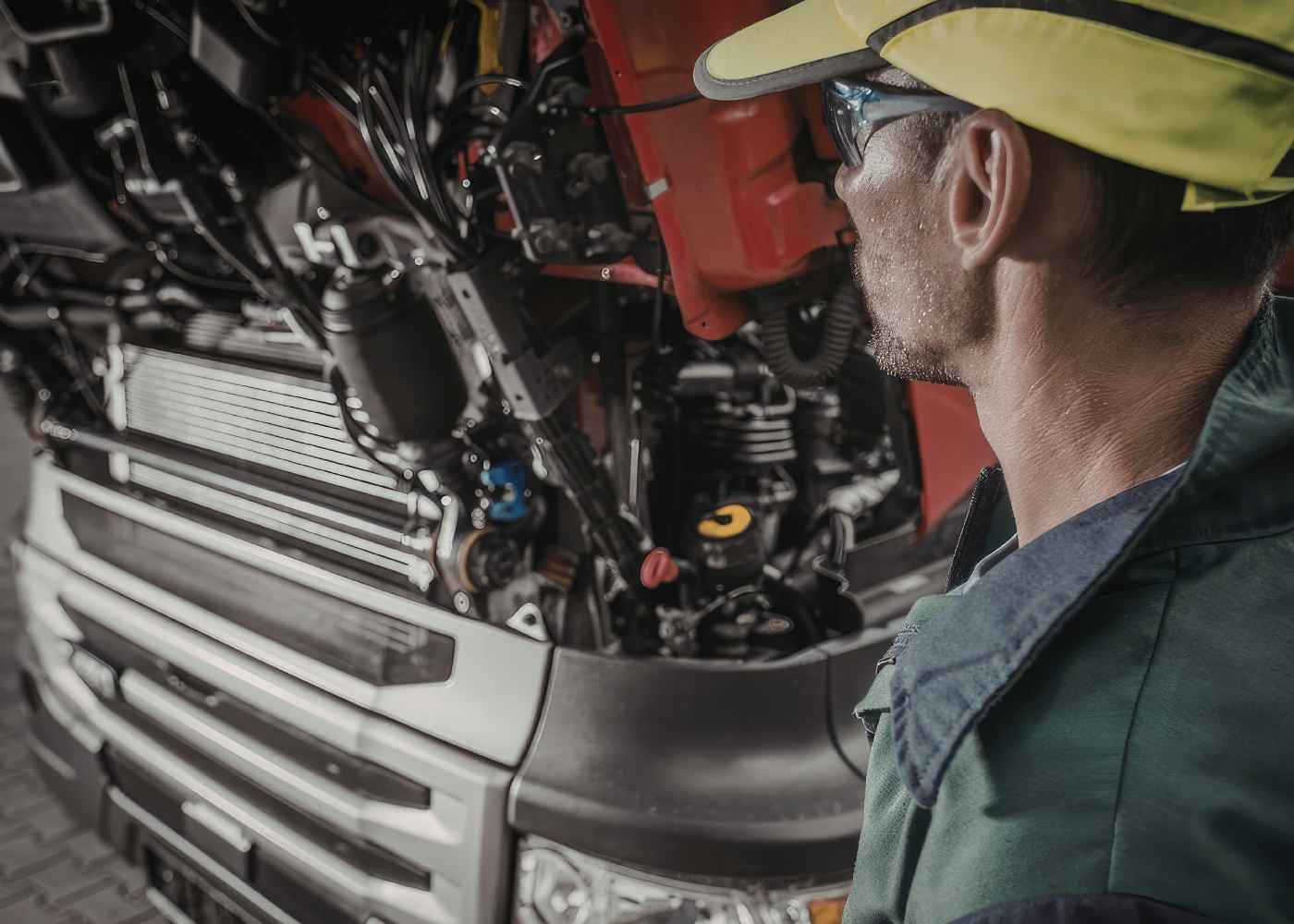
Air conditioning systems in passenger cars receive most of the attention in automotive discussions. Yet the climate control needs of diesel trucks and recreational vehicles present far more complex challenges that standard repair shops often struggle to address competently.
Owners of these larger vehicles face unique circumstances that demand specialized expertise. Understanding what makes their AC systems different helps explain why choosing the right service provider matters so much for achieving lasting repairs rather than temporary fixes.
Recognizing the Unique Demands on Diesel Truck Systems
Diesel trucks operate under conditions that passenger vehicles rarely encounter. Towing heavy loads generates additional engine heat that affects every system in the vehicle, including air conditioning components. Extended highway driving while pulling trailers pushes AC systems to work harder and longer than typical commuter use requires.
The physical size of truck cabs also affects cooling requirements. Larger interior volumes need more cooling capacity to maintain comfortable temperatures. Systems must work efficiently even when exterior temperatures climb well above tolerable levels, and engines run hot from demanding work.
These factors mean that AC problems in diesel trucks often stem from different causes than similar symptoms in passenger cars. Technicians unfamiliar with heavy-duty applications may misdiagnose issues or apply solutions that prove inadequate for the actual operating conditions the vehicle faces.
Understanding RV Climate Control Complexity
Recreational vehicles present their own distinct challenges for AC service. Motorhomes combine automotive systems with living space requirements in ways that create overlapping but separate climate control needs. The engine-driven AC that cools the cab operates differently from rooftop units that serve living quarters.
Many RV owners discover that shops comfortable working on cars hesitate when faced with motorhome systems. The scale, configuration and operating patterns differ enough that generalist mechanics may lack confidence in their diagnoses or repairs.
The drivetrain and chassis cooling systems in RVs must handle sustained operation in hot climates, often while traveling at moderate speeds that reduce airflow compared to highway driving. Desert travel proves particularly demanding, pushing systems designed for more temperate conditions beyond their comfort zones.
Appreciating the Importance of Proper Diagnostics
Effective AC repair begins with accurate diagnosis. Modern vehicle climate systems involve mechanical, electrical and refrigerant components that must work together precisely. Problems can originate in any of these areas, and symptoms often mislead technicians toward incorrect conclusions.
Shops equipped with advanced diagnostic tools can identify root causes rather than treating symptoms. Comprehensive testing, including vacuum checks and dye injection, reveals leaks and failures that simple visual inspection misses. This thorough approach prevents the frustrating cycle of repeated repairs that never quite solve the underlying problem.
Choosing the right company, like Elite Automotive, ensures access to technicians who understand the specific diagnostic requirements of diesel trucks and RVs. Factory-trained mechanics bring experience with particular platforms and the specialized knowledge needed to interpret diagnostic results correctly.
Avoiding the Pitfalls of Quick Fixes
Vehicle owners facing AC problems often encounter shops offering quick refrigerant recharges as simple solutions. While topping off refrigerant may temporarily restore cooling, this approach frequently masks deeper issues that continue worsening until they cause complete system failure.
Refrigerant does not simply disappear from properly functioning systems. Low levels indicate leaks somewhere in the system, whether in seals, connections or components. Adding refrigerant without finding and repairing leaks guarantees future problems and often leads to compressor damage that dramatically increases repair costs.
Quality shops refuse to perform simple recharges without investigating why refrigerant levels dropped. This commitment to thorough diagnosis may take longer initially, but it saves vehicle owners from repeated visits and escalating expenses over time.
Prioritizing Preventive Maintenance
Regular AC system inspections catch developing problems before they strand drivers in dangerous heat. Annual checkups prove particularly valuable for vehicles operating in extreme climates where system stress runs highest during peak summer months.
Preventive maintenance typically costs far less than emergency repairs. Identifying worn belts, weakening seals or declining refrigerant levels during routine service allows planned repairs at convenient times rather than breakdowns during critical trips or work schedules.
Diesel truck operators and RV enthusiasts who depend on their vehicles for business or recreation benefit most from establishing relationships with shops qualified to maintain their specific equipment. Consistent service from knowledgeable technicians builds vehicle history that aids future diagnosis and ensures nothing gets overlooked between visits.
Selecting Service Providers Wisely
Not all automotive shops possess equal capability for diesel truck and RV service. Owners should seek providers with demonstrated experience in their specific vehicle types, certified technicians and equipment appropriate for heavy-duty applications.
Reputation matters significantly in this specialized field. Shops that consistently deliver lasting repairs earn recommendations from satisfied customers, while those offering temporary fixes eventually develop patterns of complaints that careful research reveals.
Investing in qualified service protects both vehicle reliability and owner safety. Properly functioning AC systems do more than provide comfort. They maintain driver alertness during long hauls and ensure safe operation in conditions where heat exhaustion poses genuine risks.
