



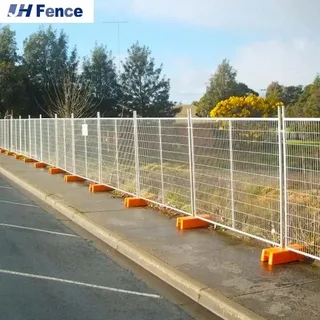
Construction sites are often bustling with activity, heavy machinery, and materials, making safety and security a top priority. One of the most effective solutions for managing these risks is the use of temporary fencing. In this article, we explore the top benefits of using a temporary fence for construction sites and why it is a crucial investment for contractors and project managers.
Enhances Safety and Security
The primary purpose of a temporary fence is to safeguard both workers and the general public. Construction sites can be hazardous, with risks ranging from falling debris to unauthorized access. By installing a temporary fence, you create a physical barrier that prevents accidental entry, reducing the likelihood of injuries and liability issues.
Additionally, temporary fences deter theft and vandalism. Construction materials and equipment are often valuable targets, and a secure perimeter ensures that only authorized personnel can access the site.
Provides Clear Site Boundaries
A temporary fence clearly defines the construction zone, helping to keep workers, visitors, and pedestrians aware of restricted areas. This not only promotes organization but also minimizes confusion during site operations. Clearly marked boundaries improve workflow efficiency, allowing projects to progress smoothly without interruptions caused by unplanned intrusions.
Offers Flexibility and Easy Installation
One of the standout advantages of temporary fencing is its flexibility. Unlike permanent fencing, temporary fences can be quickly installed, removed, or repositioned as the project evolves. This adaptability is especially useful for large construction sites or projects with changing layouts.
Temporary fencing is also lightweight and modular, making transportation and storage convenient. Its versatility ensures that construction managers can adjust site security measures as needed without significant cost or effort.
Cost-Effective Solution
Investing in a temporary fence is often more economical than permanent alternatives. Temporary fencing provides essential safety and security without the long-term expense associated with permanent barriers. It allows construction companies to allocate resources efficiently while still maintaining compliance with safety regulations.
Conclusion
In conclusion, the top benefits of using a temporary fence for construction sites include enhanced safety, improved security, clear site boundaries, flexibility, and cost-effectiveness. For any construction project, installing a temporary fence is a practical and strategic decision that protects workers, equipment, and the overall progress of the project.
