



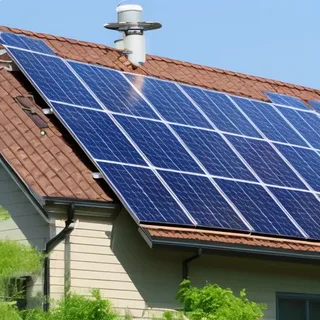
With the rising cost of electricity and growing environmental concerns, many homeowners are turning to renewable energy sources. One of the most effective and sustainable solutions is installing residential solar systems. But with numerous options available, choosing the right setup for your house can be challenging. This guide will help you navigate the key factors to consider.
Understanding Residential Solar Systems
Residential solar systems are designed to capture sunlight and convert it into electricity for your home. These systems typically consist of solar panels, an inverter, mounting equipment, and sometimes a battery storage solution. The primary goal is to reduce reliance on the grid, lower electricity bills, and minimize your carbon footprint.
Types of Residential Solar Systems
- Grid-Tied Solar Systems
These are connected to the local power grid and allow homeowners to feed excess energy back into the grid. Grid-tied systems are often the most cost-effective choice because they don’t require batteries. - Off-Grid Solar Systems
Ideal for homes in remote areas, off-grid systems store energy in batteries for use when sunlight is unavailable. They provide independence from utility providers but tend to be more expensive due to battery costs. - Hybrid Solar Systems
A hybrid system combines the benefits of grid-tied and off-grid setups. It uses batteries for backup while still allowing surplus energy to be sent back to the grid, offering both reliability and efficiency.
Factors to Consider When Choosing a Setup
Energy Needs and Consumption
Start by analyzing your household energy consumption. A professional solar installer can help you determine the size of the system needed to meet your electricity demands efficiently.
Roof Type and Orientation
The effectiveness of residential solar systems largely depends on roof orientation, slope, and material. South-facing roofs with minimal shading generally provide the best energy yield.
Budget and Incentives
Solar system for house is an investment. While initial costs can vary, there are federal and local incentives, tax credits, and rebates that can significantly reduce expenses. Consider both short-term costs and long-term savings when making your decision.
Maintenance Requirements
Most residential solar systems are low maintenance, but it’s important to understand cleaning, monitoring, and occasional servicing needs to ensure optimal performance.
Choosing the Right Installer
Selecting a reputable installer is crucial. Look for certified professionals with experience in residential solar systems. Reading reviews, checking credentials, and asking for references can help ensure a smooth installation process.
Conclusion
Investing in residential solar systems can significantly reduce your energy bills and contribute to a sustainable future. By considering your energy needs, roof characteristics, budget, and installer expertise, you can choose the right setup for your house. With careful planning, solar energy can transform your home into a clean, energy-efficient haven.
