



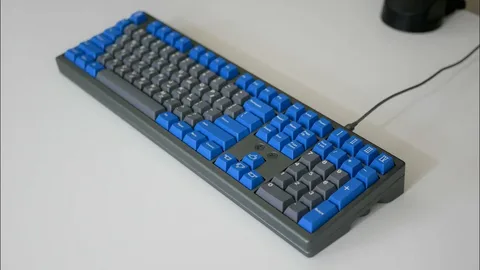
When it comes to choosing a keyboard, one of the key decisions you’ll face is whether to go for a full size keyboard or a tenkeyless (TKL) version. Both options have their advantages and drawbacks, and the right choice largely depends on your personal preferences and how you intend to use your keyboard. In this article, we’ll explore the differences between Full-Size and Tenkeyless keyboards, their pros and cons, and help you decide which one might be the best fit for your needs.
What is a Full-Size Keyboard?
A full-size keyboard is the most common type of keyboard layout, typically consisting of a complete set of keys, including:
- Alphanumeric keys (letters and numbers)
- Function keys (F1 to F12)
- Navigation keys (Home, End, Page Up, Page Down)
- Arrow keys
- A dedicated number pad (or numpad)
This standard layout is what most people are familiar with when using desktops or laptops. The number pad, located on the right side of the keyboard, allows for efficient numeric data entry, which is particularly useful for tasks like accounting, data entry, and gaming.
Pros of Full-Size Keyboards
- Complete functionality: With all the keys at your disposal, you have everything you need for productivity, gaming, and other tasks.
- Numeric keypad: The number pad is a key benefit for those who need to enter numbers frequently.
- Familiar layout: Most users are accustomed to the full layout, making it an easy choice for general use.
Cons of Full-Size Keyboards
- Size and weight: Full-size keyboards can be bulkier, which may take up more desk space and be less portable.
- Limited mobility: If you’re a gamer or need to type on a smaller desk, a full-size keyboard might feel cramped or difficult to maneuver.
What is a Tenkeyless (TKL) Keyboard?
A tenkeyless keyboard is essentially a full-size keyboard without the numeric keypad (the numpad). The layout is more compact, with the remaining keys positioned the same way as on a full-size keyboard. By removing the number pad, TKL keyboards are more streamlined and often more portable.
Pros of Tenkeyless Keyboards
- Compact and portable: With fewer keys, TKL keyboards are smaller and lighter, making them easier to carry and ideal for limited desk space.
- Better ergonomics: Without the number pad, TKL keyboards allow you to keep your mouse closer to the keyboard, which can reduce strain on your wrist and shoulder.
- More room for movement: The reduced size of a TKL keyboard gives gamers more freedom of motion, which can be beneficial for fast-paced gaming.
Cons of Tenkeyless Keyboards
- No dedicated numpad: If you frequently need to enter numbers, the lack of a number pad can be inconvenient.
- Learning curve: If you’re accustomed to a full-size keyboard, transitioning to a TKL layout might feel awkward at first.
Key Differences Between Full-Size and Tenkeyless Keyboards
1. Size and Portability
The most obvious difference between the two types of keyboards is their size. Full-size keyboards tend to be larger, while tenkeyless keyboards are more compact and portable. If you’re someone who travels frequently or has limited desk space, a TKL keyboard might be the better choice.
2. Functionality
A full-size keyboard offers more functionality, including the dedicated numpad. This makes it the ideal choice for professionals who work with numbers frequently, such as accountants or data analysts. A TKL keyboard, on the other hand, sacrifices this feature in favor of a smaller, more ergonomic design.
3. Ergonomics and Comfort
For users who experience wrist or shoulder strain, a TKL keyboard might offer a more comfortable typing experience due to its compact nature. With the numpad removed, the mouse can be positioned closer to the keyboard, reducing the need to stretch your arm. On the other hand, full-size keyboards, due to their larger size, may force your arms into a more extended position, which could lead to discomfort over time.
4. Gaming Experience
Gamers often prefer tenkeyless keyboards because of the added mobility they provide. The compact design allows for more freedom of movement, especially when it comes to mouse placement. In games where quick, precise movements are essential, this can make a noticeable difference. Full-size keyboards, with their larger footprint, can feel restrictive in comparison.
Which One is Right for You?
Choosing between a full-size and a tenkeyless keyboard ultimately comes down to how you use it. Let’s break down which type might be the best fit for different scenarios:
- If you work with numbers regularly (e.g., accounting, data entry), a full-size keyboard with a numpad is your best bet. It makes entering data much quicker and easier.
- If you need more portability or have limited desk space, a tenkeyless keyboard is ideal. It offers a more streamlined design without sacrificing too much functionality for general use.
- For gamers who prioritize mouse movement and overall space efficiency, a tenkeyless keyboard is often preferred due to its compactness.
- If you type for long hours or have ergonomic concerns, you might find a TKL keyboard more comfortable, as it allows for better positioning of your mouse, potentially reducing strain.
Conclusion
In the debate of Full-Size vs. Tenkeyless Keyboards, there’s no definitive winner. The best choice for you will depend on your specific needs, preferences, and usage patterns. Whether you prefer the complete functionality of a full-size keyboard or the portability and ergonomic benefits of a tenkeyless layout, both have their merits. Take your time to evaluate what’s most important to you in terms of size, comfort, and functionality to make an informed decision.
