



In the world of design, engineering, architecture, and manufacturing, capturing the precise measurements of objects or environments is essential for creating accurate models and prototypes. For decades, traditional measurement techniques have been the go-to for many industries. However, the advent of 3d scanning technology has introduced a new level of precision and efficiency. But when it comes to accuracy, time, and cost, which method proves to be more efficient? In this article, we’ll explore the differences between 3D scanning and traditional methods, evaluating their advantages and limitations to determine which is the more efficient option.
Traditional Measurement Methods
Before diving into the benefits of 3D scanning, it’s important to first understand the traditional methods that have been used for centuries. These methods typically include manual measurements using tools such as calipers, tape measures, and laser distance meters.
Accuracy and Precision
Traditional measurement techniques rely heavily on the skill and experience of the operator. While these tools can provide accurate results when used correctly, they are often prone to human error, especially when measuring complex or hard-to-reach areas. Additionally, it can be time-consuming to measure multiple dimensions of an object, leading to potential delays.
Time and Labor-Intensive
One of the main drawbacks of traditional methods is the amount of time required to take measurements manually. Each point must be measured individually, which can result in lengthy processes—especially when dealing with large objects or intricate designs. Furthermore, these methods require skilled labor to ensure the measurements are accurate, adding to the overall labor costs.
3D Scanning: A New Era in Measurement Technology
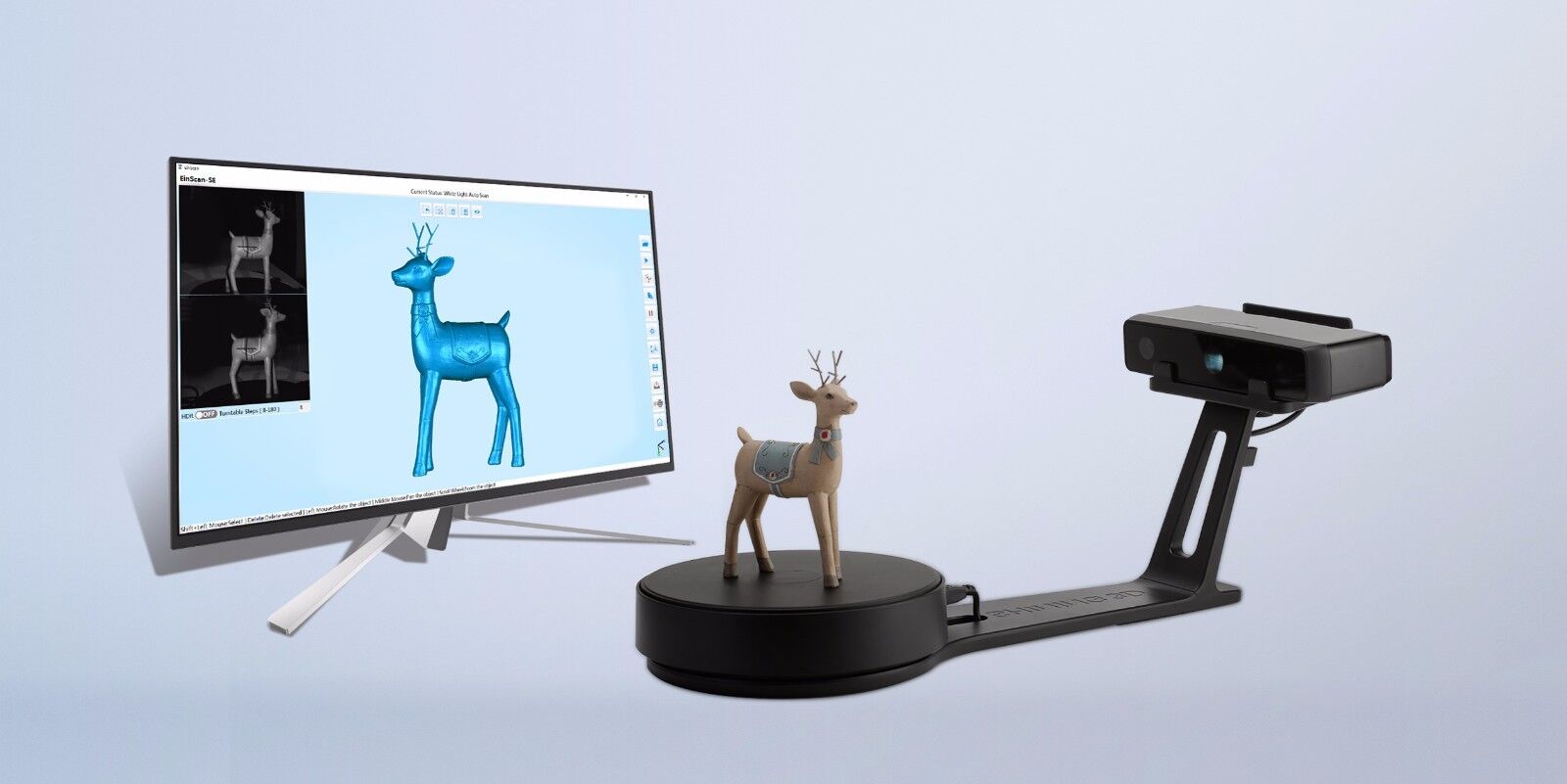
3D scanning technology, on the other hand, has revolutionized the way we measure and capture objects. With 3D scanners, a real-world object is captured through a series of laser or light-based scans, creating a digital 3D representation. This representation can be analyzed, modified, and exported for further use in design and manufacturing.
High Precision and Detail
One of the key advantages of 3D scanning over traditional methods is the level of precision it offers. Modern 3D scanners can capture millions of data points per second, providing an extremely detailed and accurate digital model. This is especially beneficial when working with complex geometries or irregular shapes that would be difficult to measure with traditional tools. In contrast, traditional methods often rely on approximations, which may not be as accurate for such designs.
Speed and Efficiency
The speed of 3D scanning is another significant advantage over traditional measurement techniques. Once the scanning process begins, it takes only a few minutes (or less, depending on the size of the object) to capture an entire object or environment. This is in stark contrast to the time-consuming process of manually measuring each dimension, which can take hours, days, or even weeks in some cases. For large-scale projects, 3D scanning can drastically reduce the time spent on the measurement phase.
Cost-Effective in the Long Run
While the initial investment in a 3D scanner can be significant, the long-term savings are often considerable. Because 3D scanning is faster and less reliant on skilled labor, companies can save on labor costs. Moreover, the ability to capture a detailed, accurate model in a fraction of the time can reduce the likelihood of errors, meaning fewer mistakes and less rework. This makes 3D scanning a more cost-effective option in the long run, despite the upfront cost of the equipment.
Which Method is More Efficient?
When it comes down to it, the efficiency of 3D scanning vs. traditional methods depends on several factors, including the scope of the project, the level of detail required, and the available resources. Let’s break it down:
1. Complexity of the Object
For simple, straightforward objects, traditional methods may be sufficient. However, for complex geometries, intricate details, or large-scale projects, 3D scanning outshines traditional methods by providing accurate and comprehensive data in a fraction of the time.
2. Project Timeline
If time is a critical factor, 3D scanning is the clear winner. The ability to quickly capture the shape and dimensions of an object eliminates the need for long measurement sessions, which can slow down the overall timeline of a project.
3. Budget Constraints
While traditional methods are less expensive upfront, 3D scanning offers long-term cost savings through increased efficiency, reduced labor, and fewer errors. For businesses looking to optimize their resources over time, 3D scanning is a more cost-effective option.
4. Data Accuracy and Quality
When it comes to achieving high accuracy and minimizing errors, 3D scanning is far superior. The detailed digital models produced by 3D scanners offer precise measurements, which can be critical for fields such as engineering, manufacturing, and architecture.
Conclusion
In the debate of 3D scanning vs. traditional methods, it’s clear that 3D scanning is the more efficient choice for most modern applications. While traditional methods may still be useful for certain tasks, especially in less complex scenarios, the speed, precision, and long-term cost benefits offered by 3D scanning make it the ideal solution for industries that require high levels of accuracy and fast turnaround times.
